










If your roof was recently damaged by a storm, the idea of filing an insurance claim might feel overwhelming. Between paperwork, adjuster visits, and confusing coverage terms, it's easy to get stuck in analysis paralysis.
Here's the good news: the process follows the same steps every time. Once you know what to expect, you can navigate it with confidence.
A quick note on who's writing this: before starting Little Hills Roofing, I spent years as an insurance field adjuster. I've sat on the other side of this table. I'll point out along the way where that insider perspective matters.
Step 1: Assess the Damage (Safely)
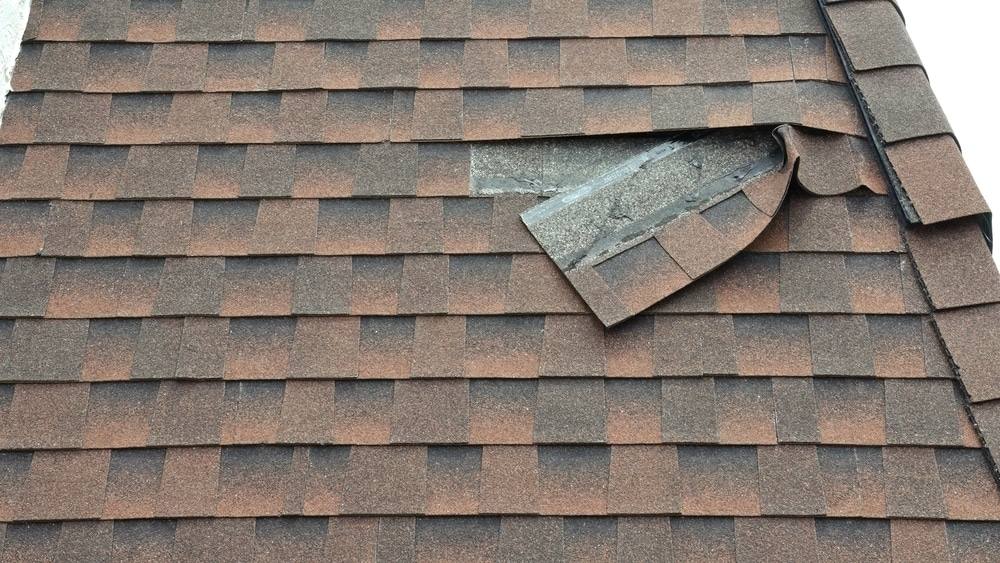
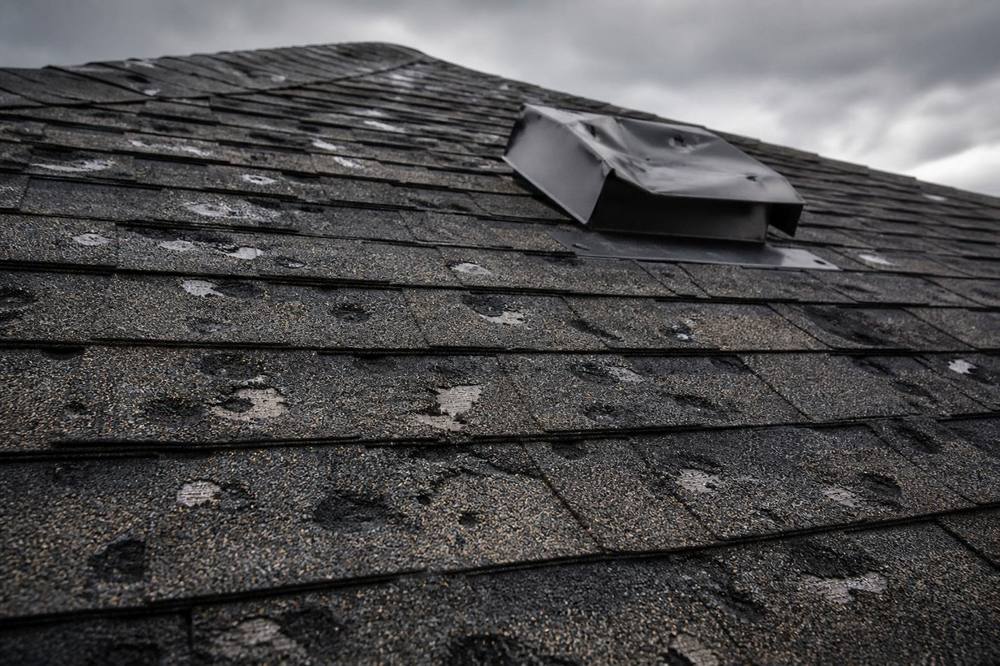
Right after a storm, your first step is to look for signs of roof damage. But safety first — stay off the roof and do a ground-level inspection.
Things You Can Check:
- Shingles or debris on the ground around your house
- Dents on gutters, downspouts, siding, or metal vents
- Water stains on your ceilings or in the attic
- Hailstones still on the ground — photograph one next to a coin for size reference
- Your AC unit's condenser fins — if they're dented, your roof took a hit too
This gives you a starting point. But to move forward with a claim, you'll need a professional roof inspection.
Step 2: Call a Roofer Before the Insurance Company
This is the step most homeowners get backwards — and it's the one I feel strongest about.
Call your roofer first. Here's why:
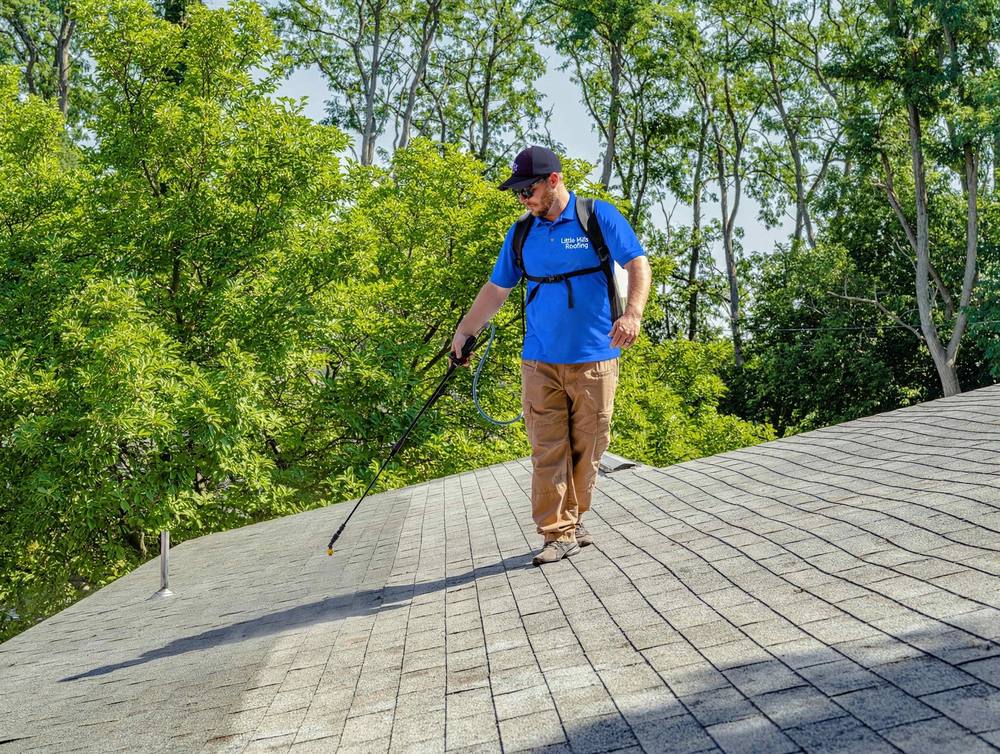
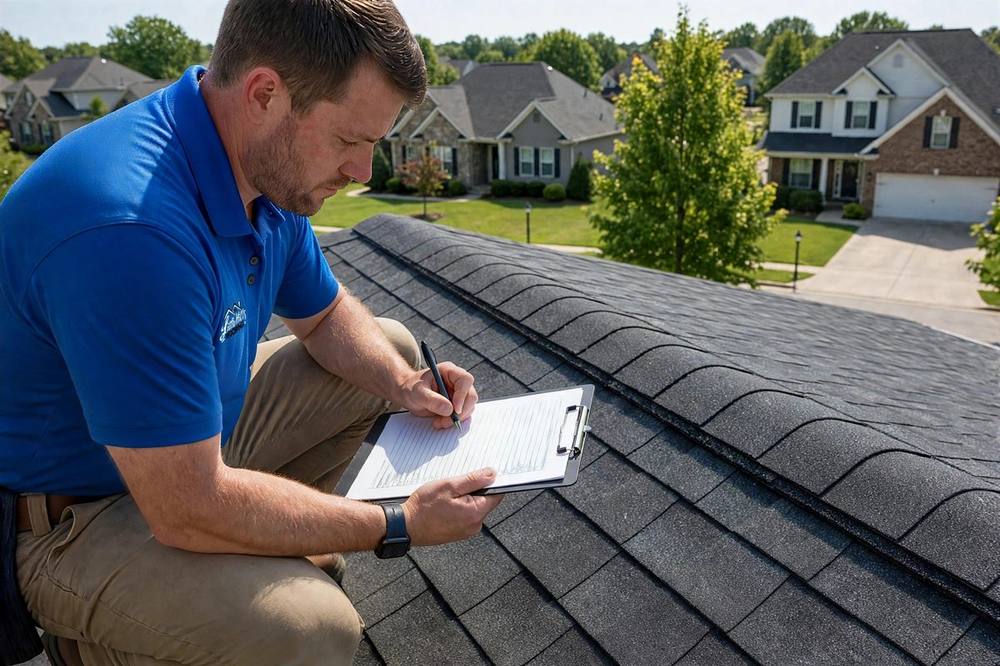
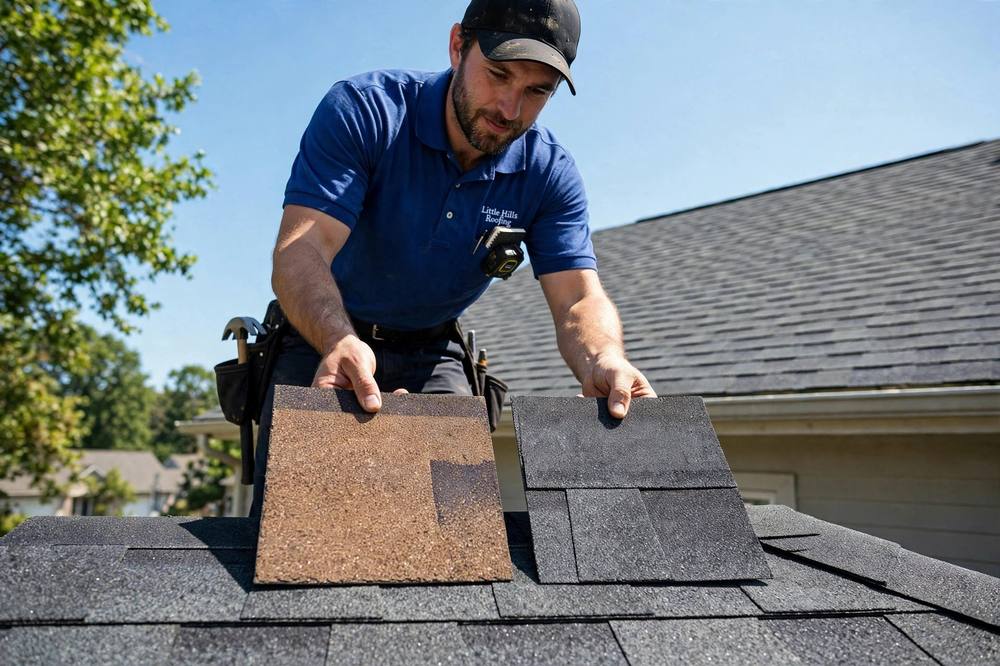
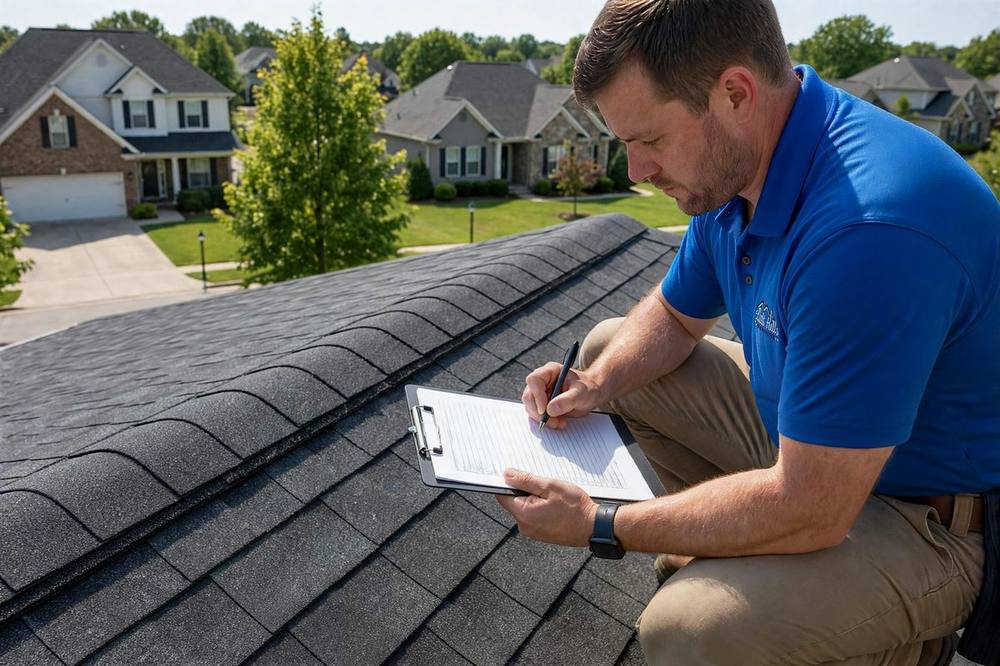
A professional roofer will get on the roof, document every slope with photos, and give you an honest assessment of whether you have legitimate storm damage. If you do, that documentation becomes the backbone of your claim. If you don't, you've saved yourself a claim on your record for damage that was never there.
Filing a claim without valid damage can affect your claims history and, yes, potentially your premiums. A roofer's inspection first means you file with confidence — or you don't file at all.
From the adjuster's side:* When I was adjusting claims, the files that went smoothest were the ones where the homeowner already had a roofer's documentation in hand. It told me the homeowner was serious, the damage was real, and the contractor knew what they were doing. Those claims practically wrote themselves
Step 3: File Your Insurance Claim
With a professional inspection report in hand, it's time to contact your homeowner's insurance company. This is usually done by phone or through their online portal.
Be Ready to Provide:
- Date and time of the storm (your "date of loss" — this matters more than you'd think)
- A brief description of the damage
- Your policy number
- Your roofer's name and contact information
Your insurance company will open a claim and assign an adjuster, who will schedule a visit to inspect the damage.
Step 4: Meet with the Insurance Adjuster
This is the most important moment in the entire process. The adjuster will inspect your roof and decide how much the insurer will pay based on the type, extent, and cause of the damage.
What to Expect:
- They'll inspect the roof, gutters, attic, and possibly siding
- They'll compare their findings with your roofer's report
- They'll decide whether the damage warrants repair or full replacement
Pro Tip — Have Your Roofer There
I cannot stress this enough: have your roofing contractor present during the adjuster inspection. Your roofer will point out damage the adjuster might miss, answer technical questions, and make sure everything is fairly documented.
From the adjuster's side:* I always preferred when the contractor was on-site. It meant I could ask questions in real time instead of going back and forth for weeks. A good roofer who knows what they're looking at makes the adjuster's job easier — and a well-documented claim is harder to underpay
This single step can make or break your claim.
Step 5: Receive the Insurance Estimate
After the adjuster visit, your insurance company will send you a claim estimate (sometimes called a "scope"). Here's how to read it:
- What's covered — line items for each part of the repair or replacement
- Replacement Cost Value (RCV) — what it costs to replace your roof at today's prices
- Actual Cash Value (ACV) — RCV minus depreciation for your roof's age
- Your deductible — what you pay out of pocket
- Recoverable depreciation — the difference between RCV and ACV, held back until the work is complete
Most policies pay in two checks: the ACV amount upfront, and the recoverable depreciation after you submit proof the work was done.
If the estimate seems low or something is missing, your roofer can help you request a supplement — additional line items the adjuster overlooked. This is normal and happens on a large percentage of claims.
Step 6: Roof Replacement Begins
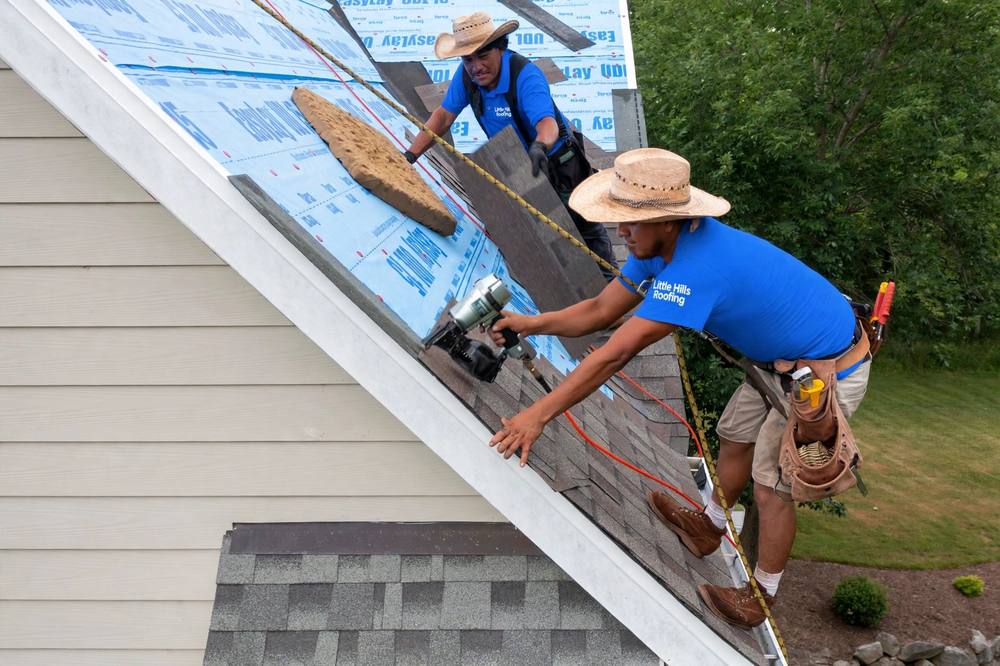
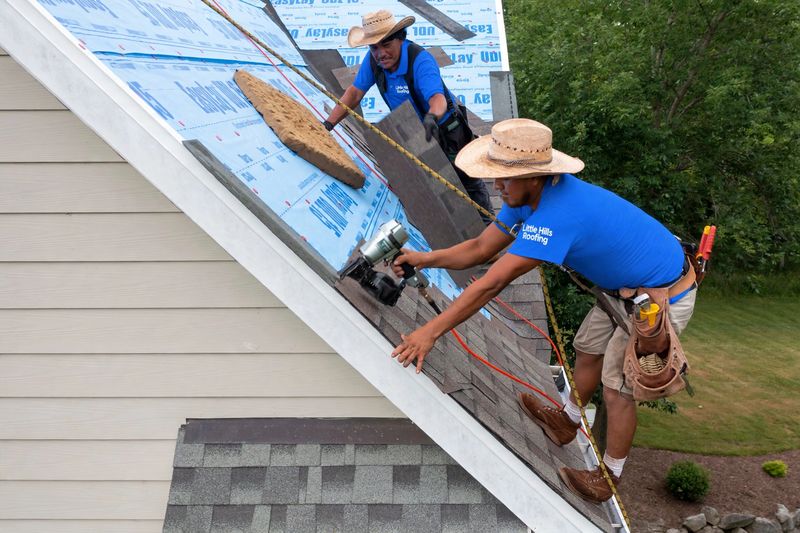
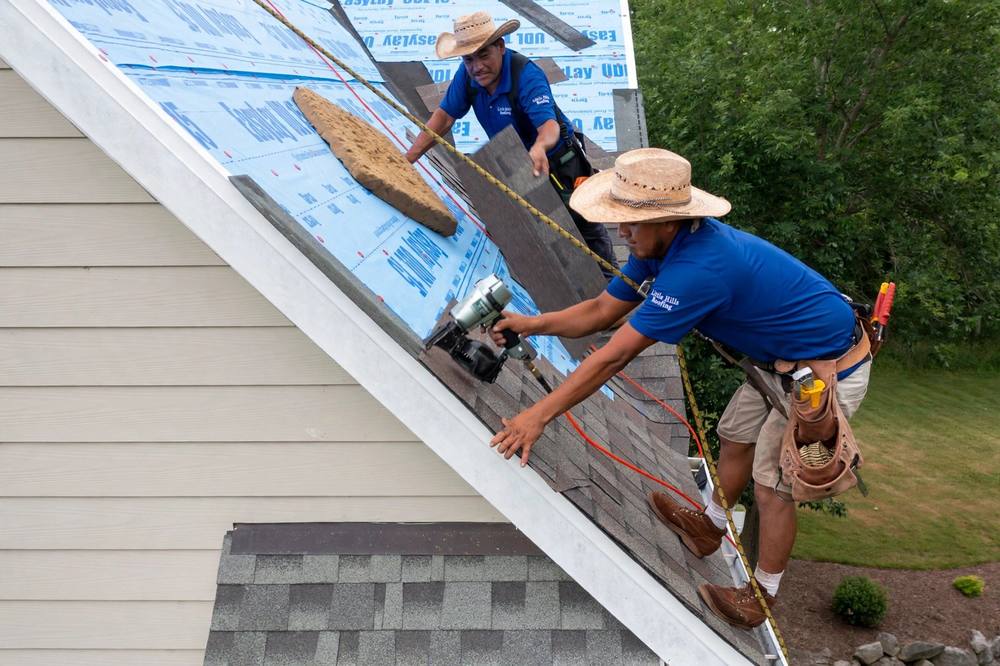
With the claim approved, it's time for the work. Your roofer will:
- Pull any required permits
- Schedule material delivery and the crew
- Complete the tear-off and installation (typically 1–2 days for most homes)
- Document everything with photos
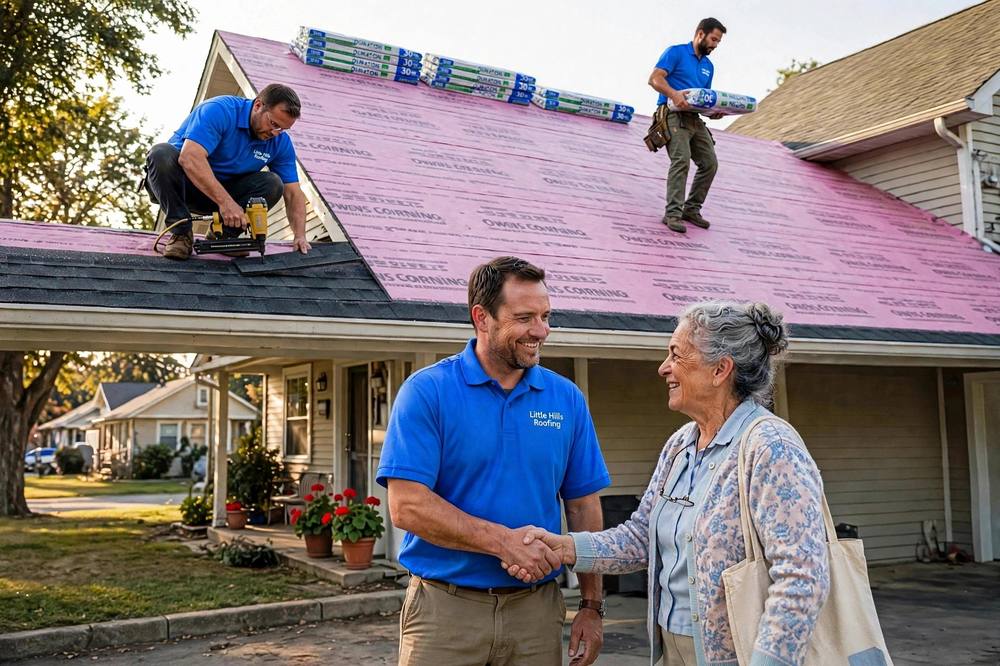
A reputable roofer handles all of this — you shouldn't have to coordinate dumpsters, deliveries, or crews yourself.
Step 7: Finalize the Claim
Once the roof is complete, your insurance company will need:
- The final invoice from your roofer
- Photos of the completed work
- Proof of payment or warranty documentation
Submit these, and the insurance company releases your recoverable depreciation — the second check. Your claim is closed.
Final Thoughts
Storm damage is unpredictable. The claim process doesn't have to be.
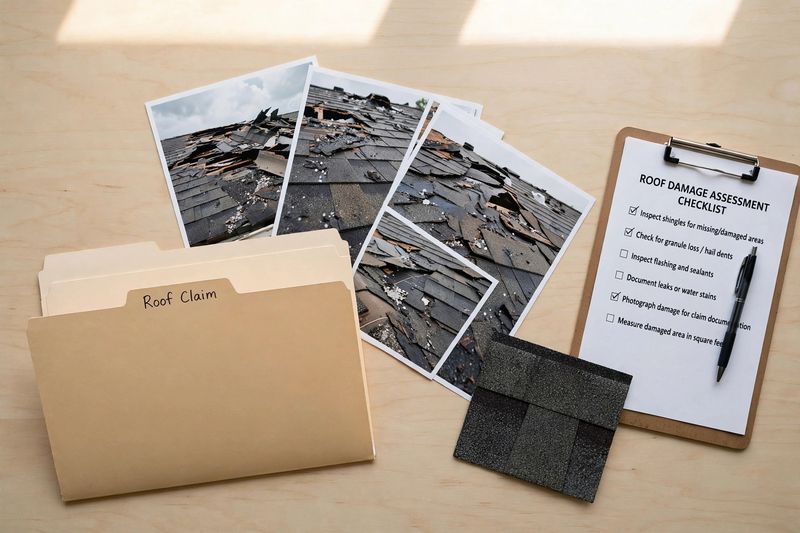
The homeowners who have the smoothest experience are the ones who: call a roofer first, have that roofer present for the adjuster visit, and keep every piece of paper. That's really the whole secret. (For the full checklist, here's what documentation you need for a roof insurance claim.)
If your roof took a hit in a recent storm, start with a professional inspection. We'll tell you honestly whether you have a claim worth filing — and if you do, we'll walk you through every step.
Disclaimer: This article is based on general industry experience and is for informational purposes only. It is not insurance or legal advice. Policy terms vary — always review your specific policy or consult your insurance agent with questions about your coverage.
Storm damage? Start with an inspection.
We'll tell you honestly whether you have a claim worth filing.
Get a Written Proposal